About this project
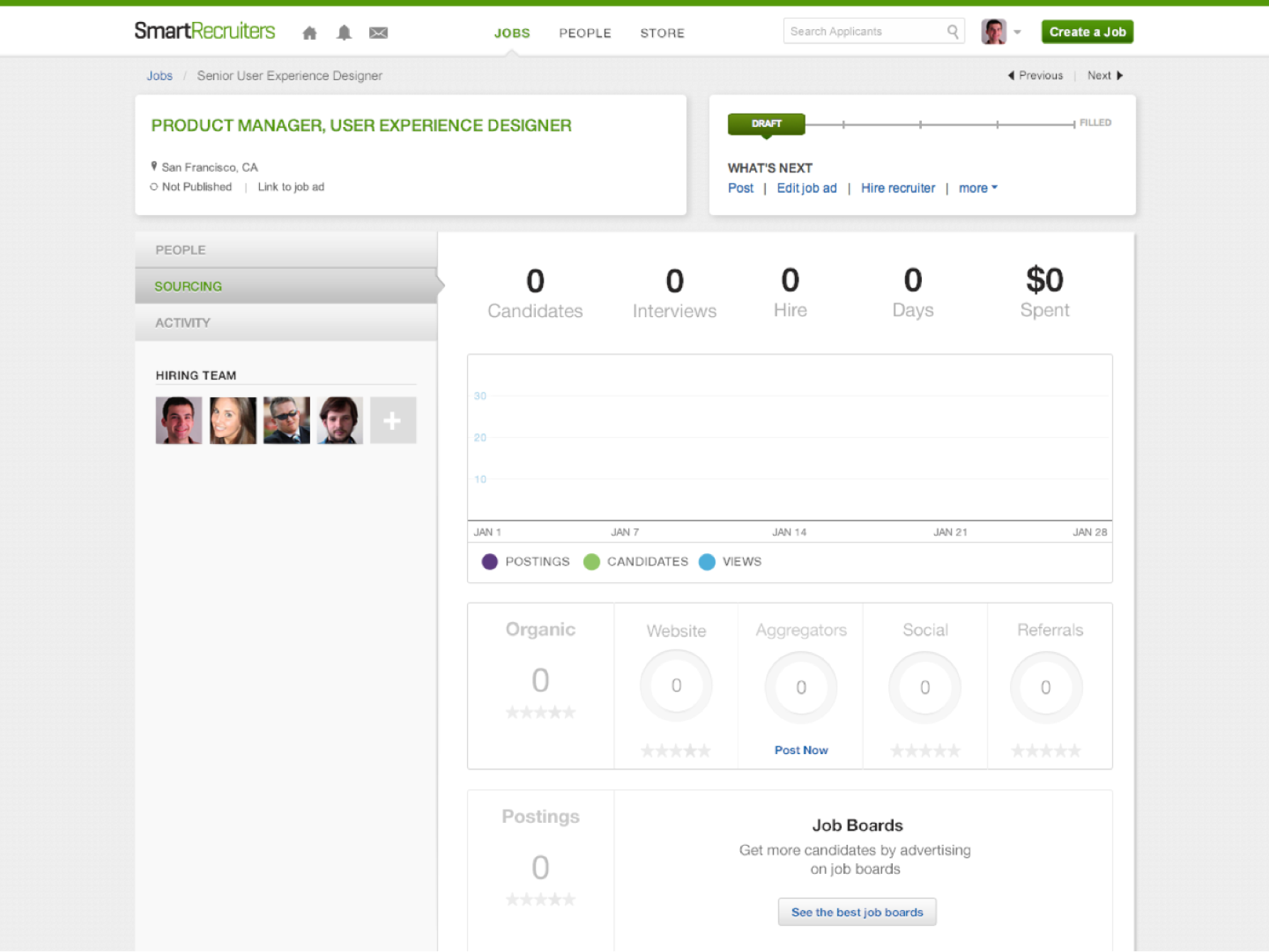
Designing a candidate dashboard for a staffing site using Lean UX principles involved a collaborative, iterative approach focused on delivering designs quickly and efficiently. Here's how I updated the design patterns of the candidate dashboard:
Candidate Dashboard
Cross-Functional Team Formation- Form a cross-functional team consisting of designers, developers, product managers, and stakeholders from the staffing agency.
- Foster open communication and collaboration among team members to ensure alignment on goals and priorities.
- Conduct user research to understand the needs, pain points, and preferences of candidates using the staffing site.
- Create user personas representing different types of candidates, such as job seekers, contractors, and freelancers.
 ⛶ Full size
- Define the core features and functionalities of the candidate dashboard that are essential to address candidates' primary needs and provide value.
- Prioritize features based on user feedback, market demand, and technical feasibility to create an MVP that can be developed and tested quickly.
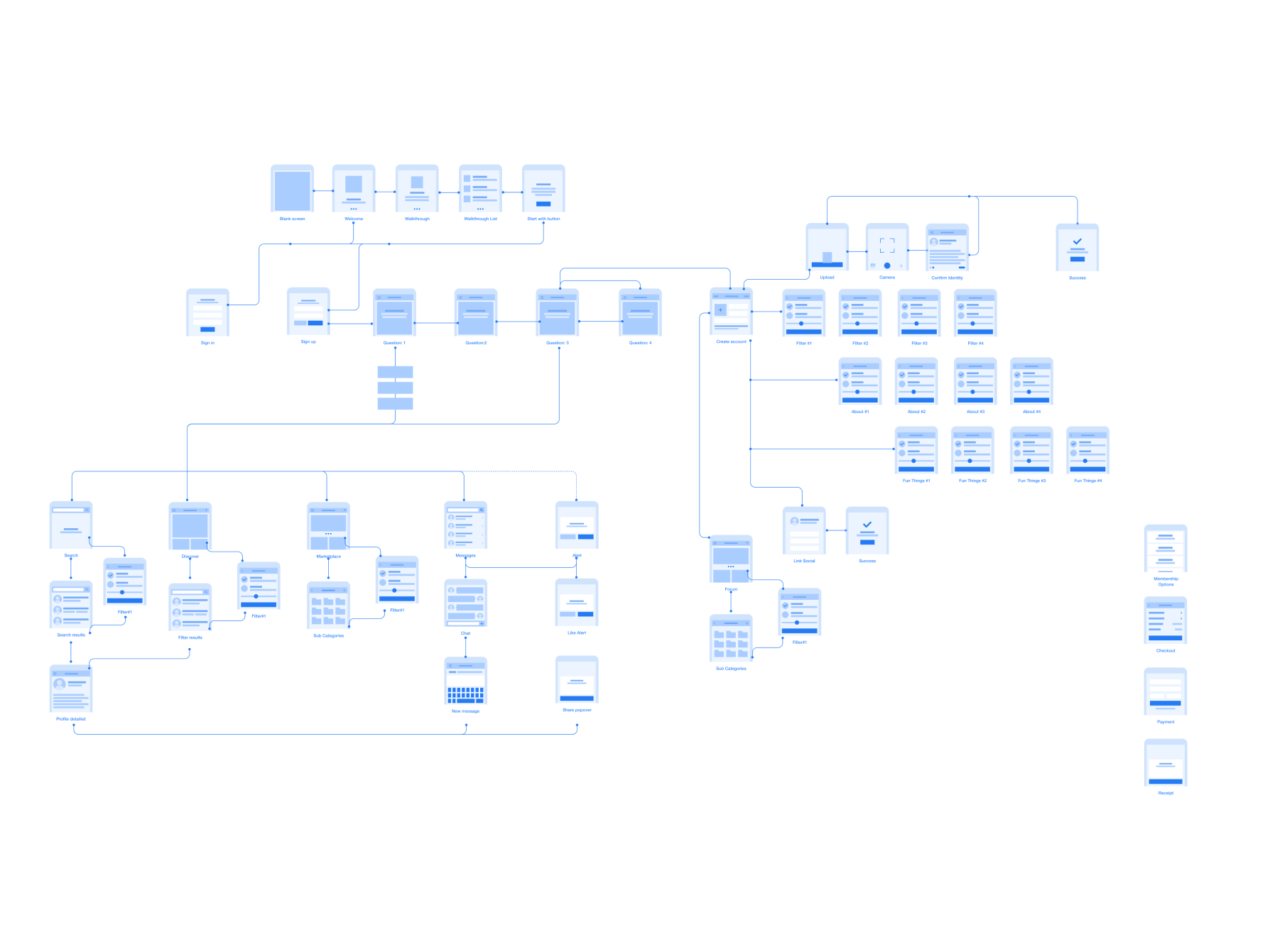
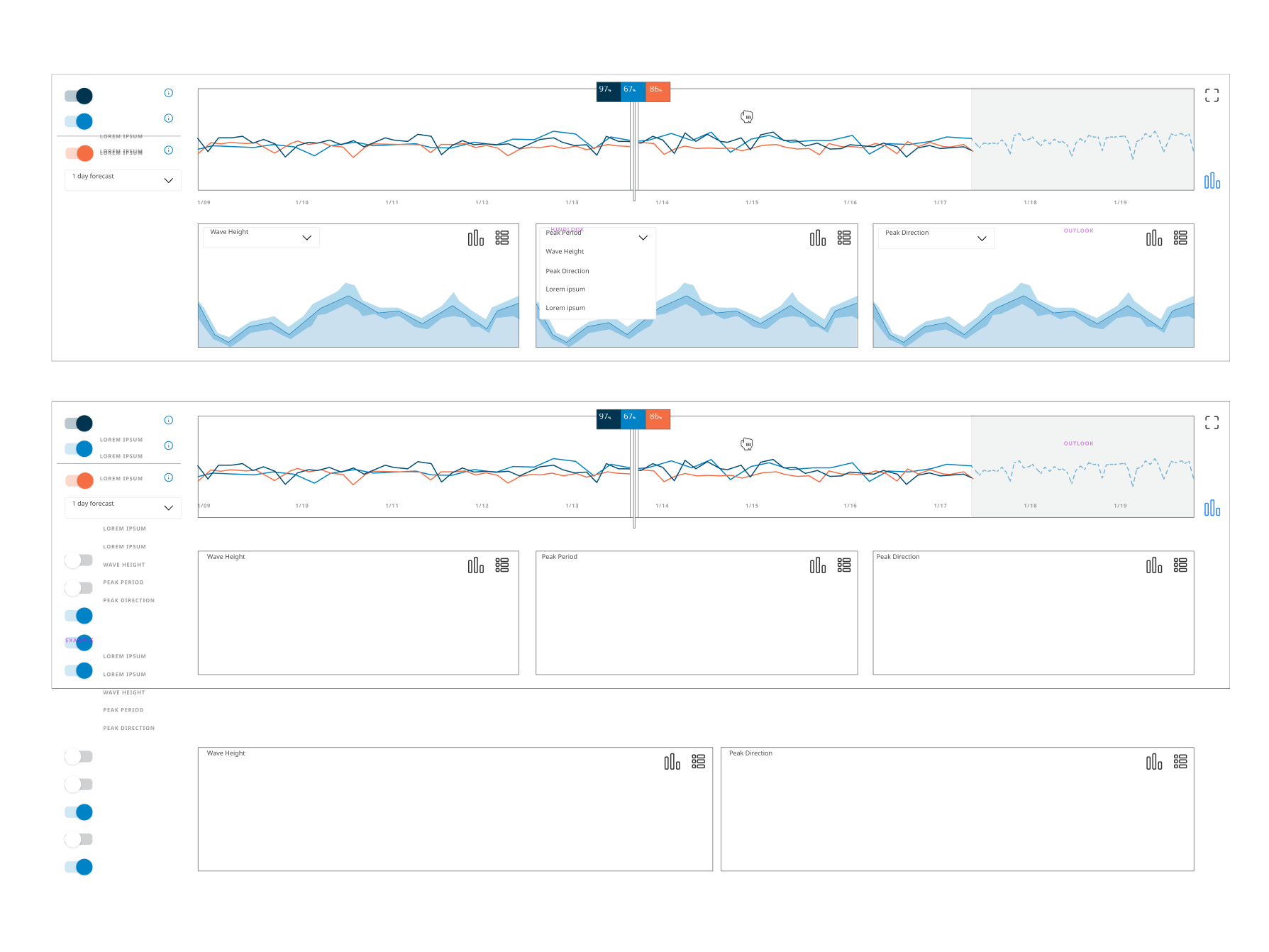
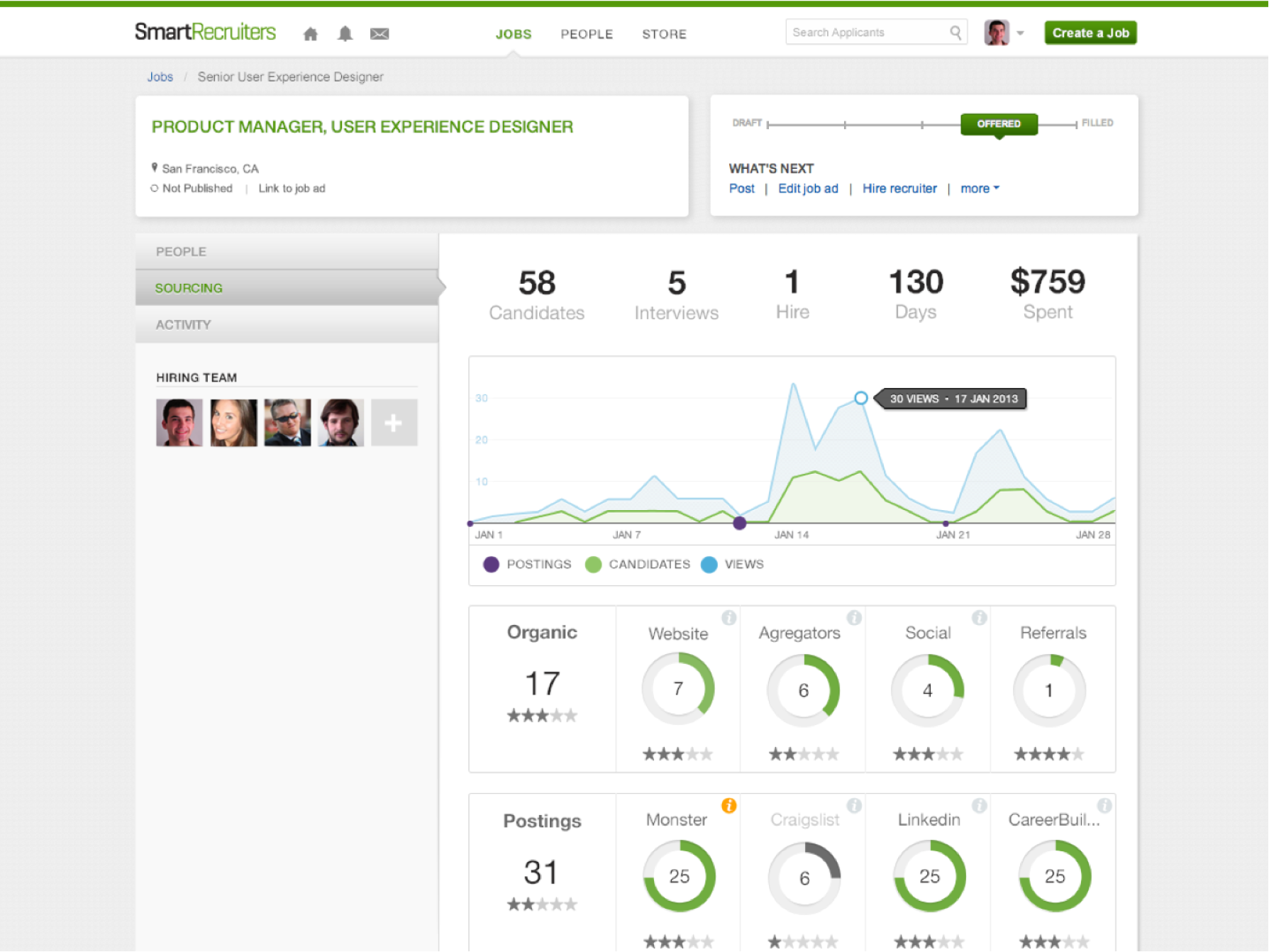
- Create low-fidelity wireframes or prototypes of the candidate dashboard to visualize the user flow and interface elements.
- Gather feedback from stakeholders and candidates through rapid iteration cycles, making quick adjustments to the design based on user insights and usability testing.
 ⛶ Full size
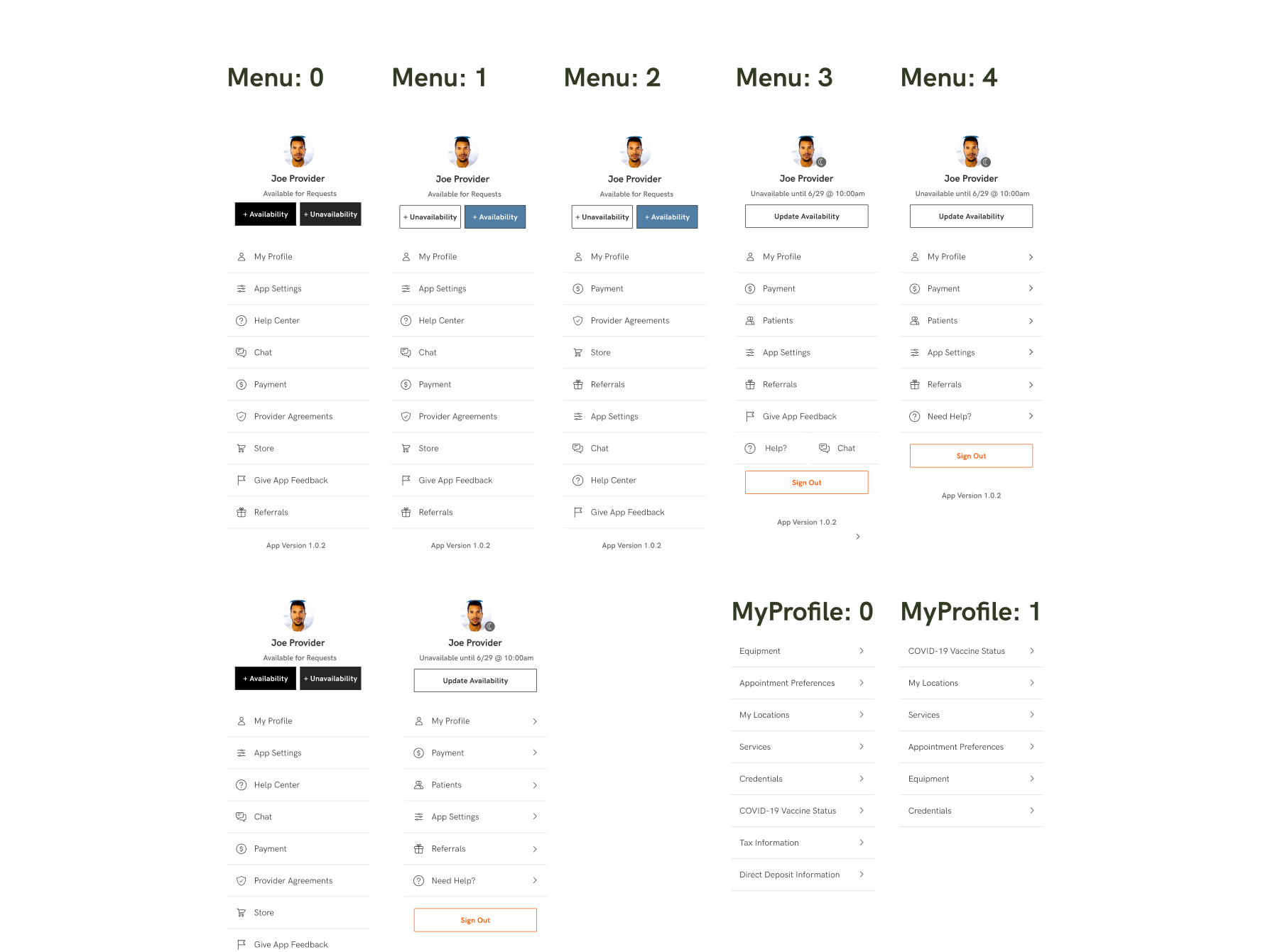
- Adapt the design and user experience to meet the specific platform guidelines and conventions of desktop and mobile devices.
- Leverage platform-specific UI components, navigation patterns, and interaction behaviors to ensure a seamless experience on each platform.
- Conduct usability testing and user feedback sessions throughout the design and development process to validate assumptions and identify areas for improvement.
- Use A/B testing and analytics to measure the effectiveness of design changes and feature enhancements, iterating based on real user data.
 ⛶ Full size
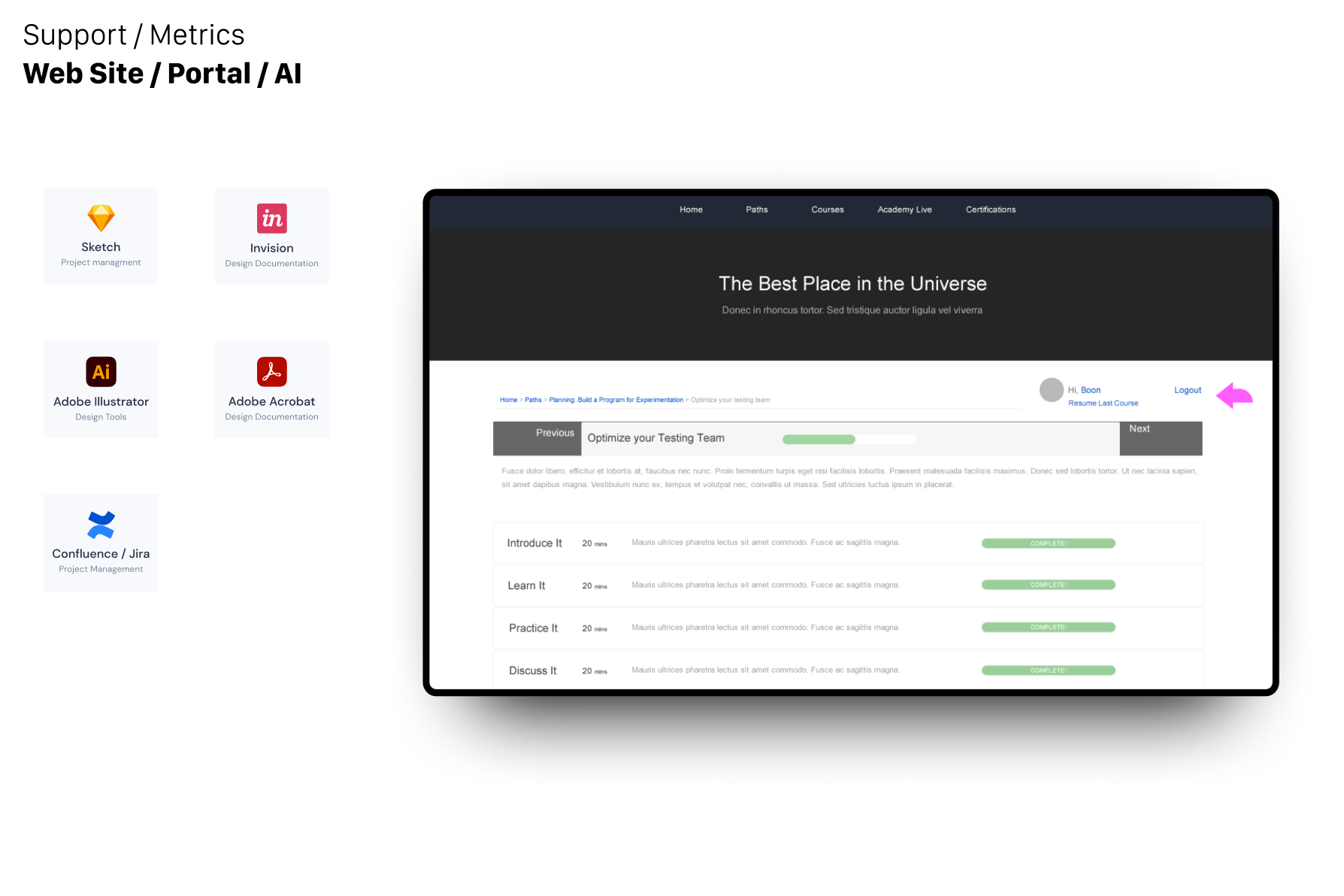
- Keep documentation lightweight and focused on essential information, such as user stories, design decisions, and feedback insights.
- Use collaborative tools and techniques, such as user story mapping and design studios, to facilitate communication and alignment within the team.
- Release early versions of the candidate dashboard to a limited audience or beta testers to gather feedback and validate assumptions in a real-world environment.
- Continuously monitor user engagement, retention, and satisfaction metrics to identify opportunities for optimization and refinement.
 ⛶ Full size
 ⛶ Full size